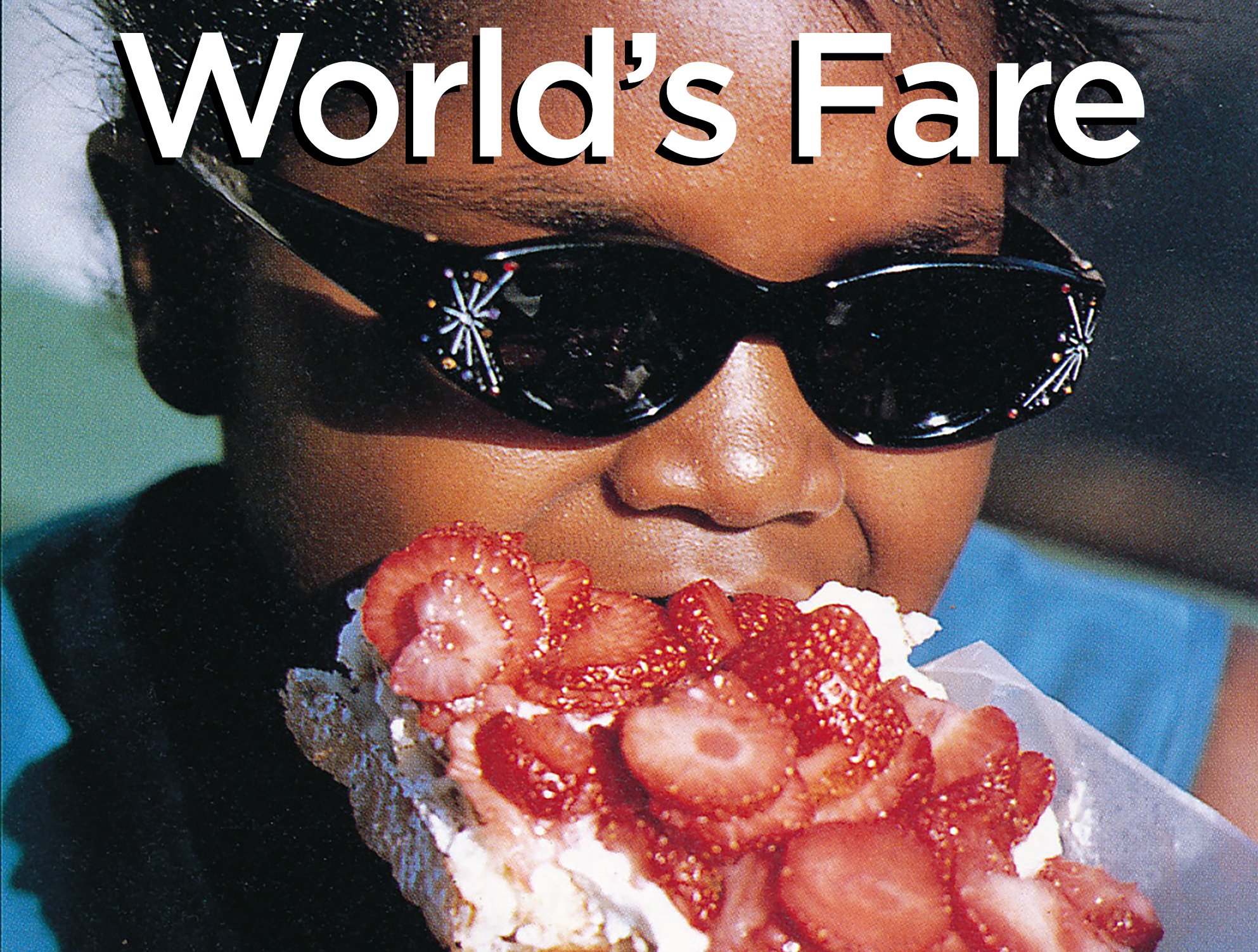
From Pickles to Waffles, Smorgasbords to Sushi, Spanish Sangria to fine French cuisine, the New York World’s Fairs changed America’s tastebuds forever.
If you’re old enough (like I am) to remember visiting the 1964-65 World’s Fair in Queens, odds are your memories include biting into a hot, aromatic Belgian Waffle (officially called a “Bel-Gem” Waffle.) Besides gliding past Michelangelo’s Pieta and experiencing GM’s Futurama, you may also have had your first taste of Swiss fondue, Indian tandoori chicken, Spanish paella, Japanese sukiyaki (cooked in a tabletop hot pot,) Middle Eastern falafel and hummus, Korean kimchi or Moroccan shish kebab. All of these foods introduced at the Fair became American favorites, enjoyed by millions today.
Left: 1939-40 World’s Fair (Metropolitan Museum of Art). Right: 1964-65 World’s Fair (Anthony Conti). (Select to enlarge any image. Phone users: finger-zoom or rotate screen.)
Before the 1964-65 fair, the average American home diet consisted of many canned, frozen and processed foods. “Eating out” usually meant pizza, car-hop burgers, diner pancakes, or all-you-can-eat buffets. Adventurous eaters might try a can of spaghetti or chop suey. Prior to the 1939 fair, Depression-era foods included beans, cabbage, potatoes, macaroni and other shelf-stable edibles. These limited diets received profound makeovers once Fair visitors sampled the world’s incredibly diverse bounty.
A Depression-era meal (Library of Congress).
Yum! 1950’s Spaghetti-O Jell-O with dogs.
When a World’s Fair closed, many restaurants moved to Manhattan and became wildly popular, such as the France’s Le Pavillon, the Spanish Pavilion, and even Toffenetti’s, the Brass Rail and Tad’s Steaks. Folks couldn’t get enough of the treats they had tasted at the Fair. Today, almost every cuisine in the world has an American outpost, thanks to the international offerings which premiered at New York’s two World’s Fairs.
Let us then visit (or re-visit) these influential expositions, and savor their global comestibles once again.
The 1939-40 World’s Fair
New York Crystal Palace, 1853 (Karl Gildemeister).
The first New York World’s Fair was actually the Crystal Palace, built in 1853 on the site of today’s Bryant Park in Manhattan. Inspired by London’s Crystal Palace of 1851, this “Exhibition of Industry of All Nations” was a huge hit; over a million attended in its 2-year lifespan. Unfortunately, it burned to the ground in 1858.
Left: Corona Ash Dump. Right: The beginnings of the 1939-40 World’s Fair. (NYC Parks Photo Archive)
The 1939-40 Fair was the brainchild of two people: Grover Whalen and Master Builder (later Master Destroyer) Robert Moses. Moses wanted to turn the massive Corona Ash Dump into a public park, and Whalen was keen on a World’s Fair, so the two joined forces. Moses was granted virtual control for the entire Fair layout, and completed the Bronx Whitestone Bridge, Whitestone Parkway, Grand Central Parkway, new subway stops, and La Guardia Airport to serve the expected Fair multitudes.
1939-40 New York World’s Fair (New York Public Library).
In keeping with the theme “Building the World of Tomorrow,” historic Buildings and traditional structures were banned. Only “moderne” or “Art Deco” designs were accepted. The World’s Fair attracted an enormous array of talent, such as architects Morris Lapidus, Oscar Niemeyer and Norman Bel Geddes, artists Alexander Calder, Rockwell Kent and Willem deKooning, theatrical producers Billy Rose and Michael Todd, and composers Kurt Weill and Aaron Copland.
Visiting the Trylon and Perisphere (Samuel Gottscho).
The “Theme Center” was the 700-foot tall Trylon and 200-foot wide Perisphere, resting on 1,000 piles driven into the marshy ground. The Fair was home to a number of firsts, such as the first TV broadcast, color photography, home dishwashers, fluorescent lights, picture phones, and a miraculous new invention made before your eyes: nylon.
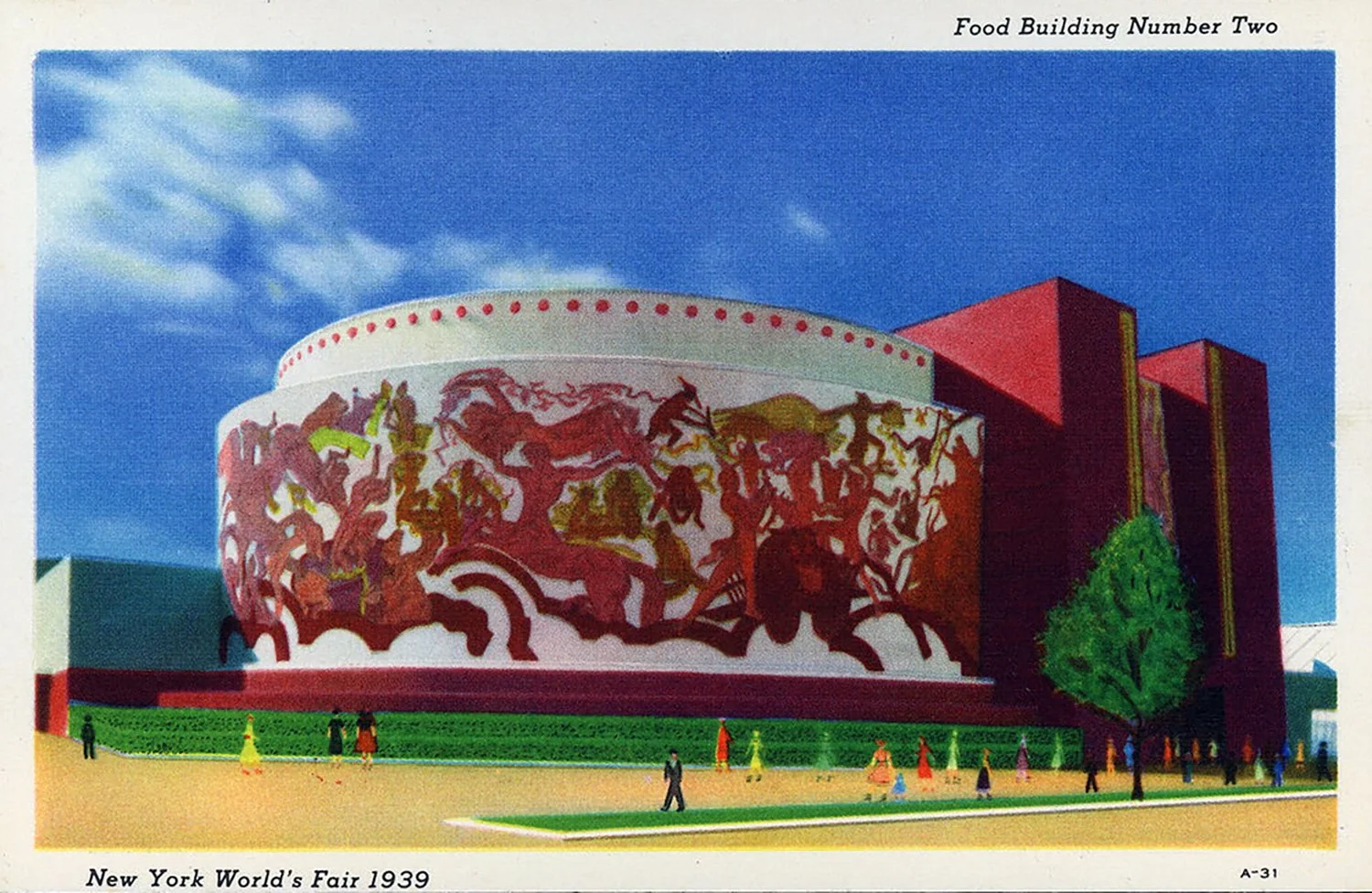
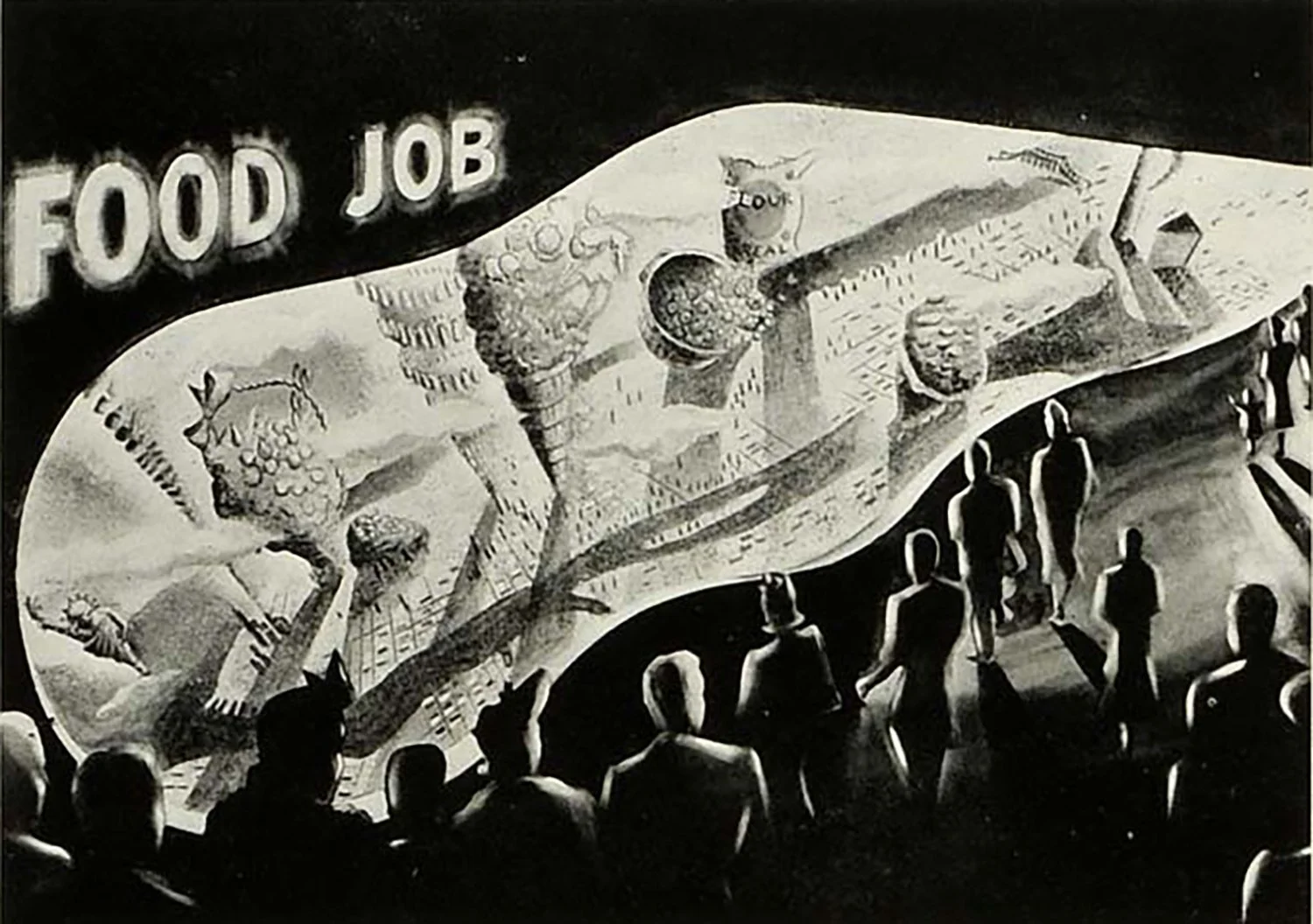
And now the foods: besides featuring 40 sit-down restaurants and 262 refreshment stands, the Fair also maintained 3 Food Pavilions, portraying the history of edibles from cave man carnivores to futuristic vegans, all laid out in surrealistic, serpentine displays. Food stands offered exciting new tastes, such as Junket rennet custard, Baby Ruth bars, Canada Dry ginger ale, and the ubiquitous popcorn, ice cream, root beer and salt water taffy.
Borden’s “Rotolactor.”
The Wonder Bread Pavilion (postcard from author’s collection).
The Borden Pavilion boasted its “Rotolactor:” a revolving platform where pedigreed cows were electronically washed, sterilized and milked. The Wonder Bread pavilion was covered with the familiar polka-dots of its packaging, and featured the city’s only wheat field. Visitors were wowed by the“Electrified Farm” where all the work (including the Bull Exerciser) was completed electronically.
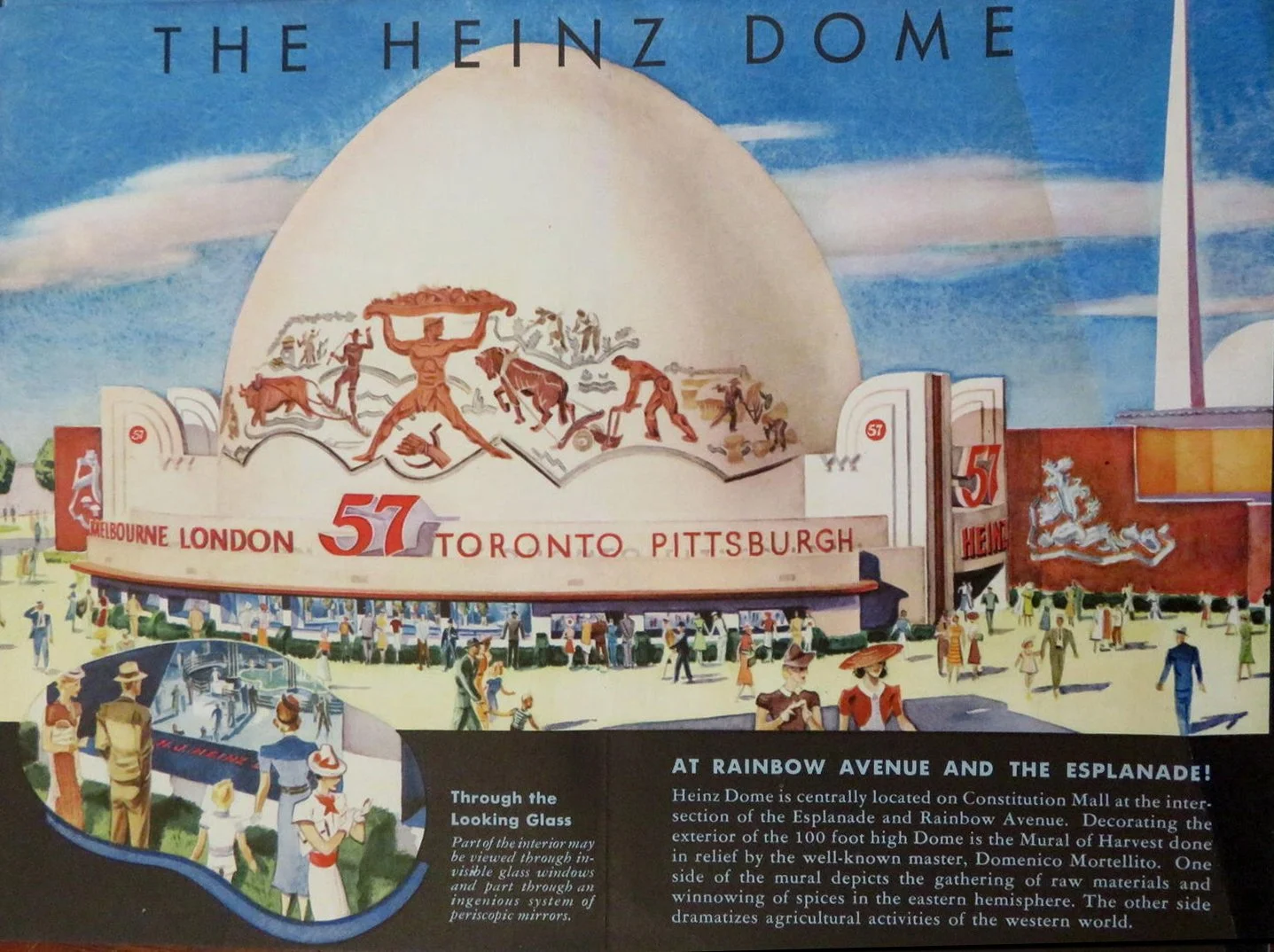
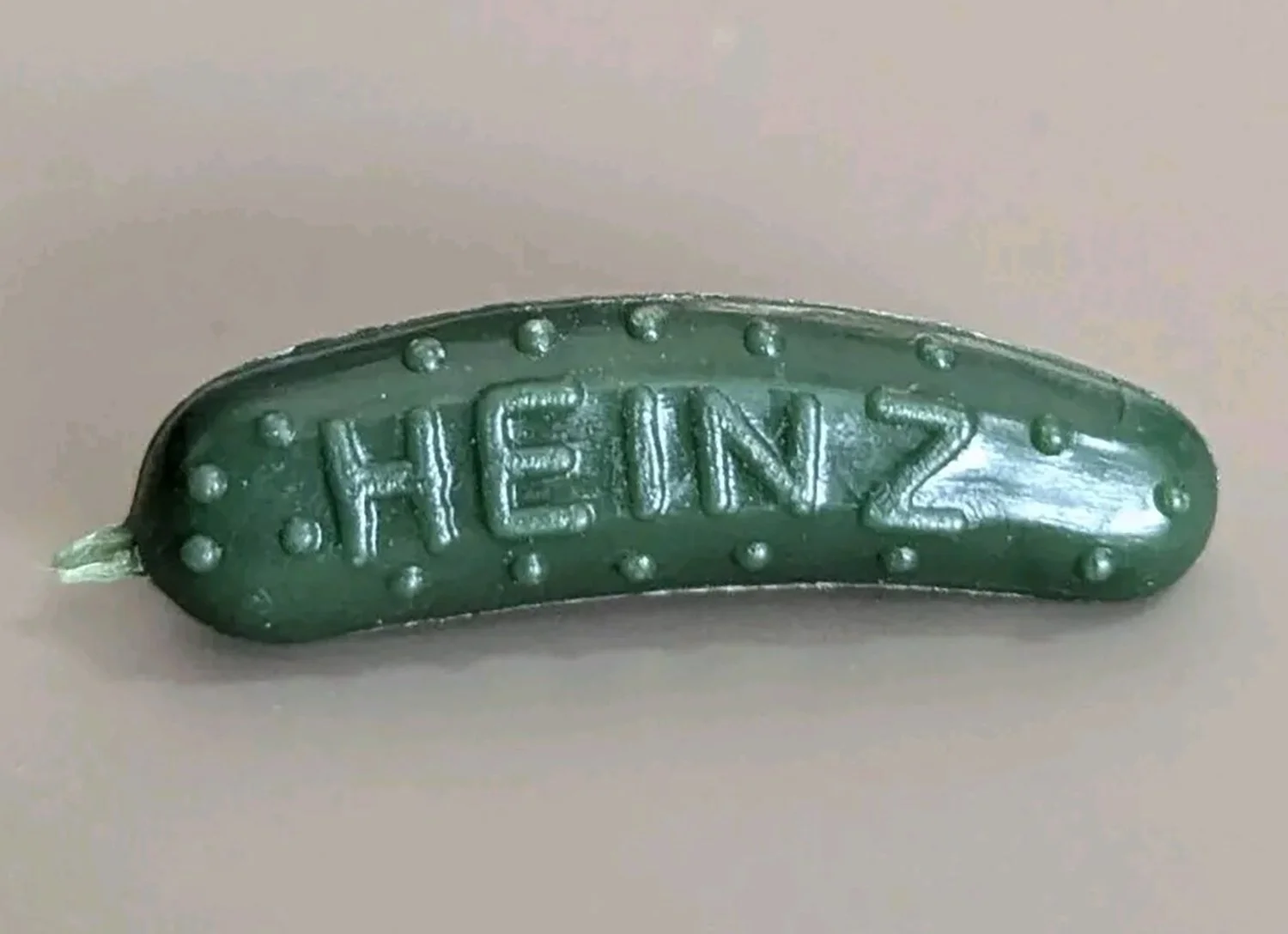
Fair-goers would be enticed by the fragrance emanating from Adolf Levitt’s “Wonderful Almost-Human Doughnut Machine” at the Mayflower Doughnuts Pavilion (see the Doughnut and Meet The Lords of the Rings chapters.) Beech-Nut displayed the mysterious processes involved in making baby food and chewing gum. In the Heinz Dome, all 57 varieties were available for tasting, and guests left with an adorable “pickle pin,” a keepsake which many treasure to this very day.
If your family had a bit of money, they could enjoy the finest sit-down meals in many of the international pavilions. Chateaubriand could be savored at the Belgium Pavilion, reindeer at the Finland Pavilion, pickled herring at the Jewish Pavilion, high tea at the Great Britain pavilion, white truffle fonduta at the Italy pavilion, caviar at the Romania pavilion, the odd, uncooked fish called sushi at the Japan Pavilion, and an immense, circular, revolving smorgasbord at the Sweden Pavilion. Also, there were the vast beer gardens run by Heinekin, Ballantine and Schaefer, each seating up to 2,000 thirsty patrons.
France Pavilion (postcard from author’s collection).
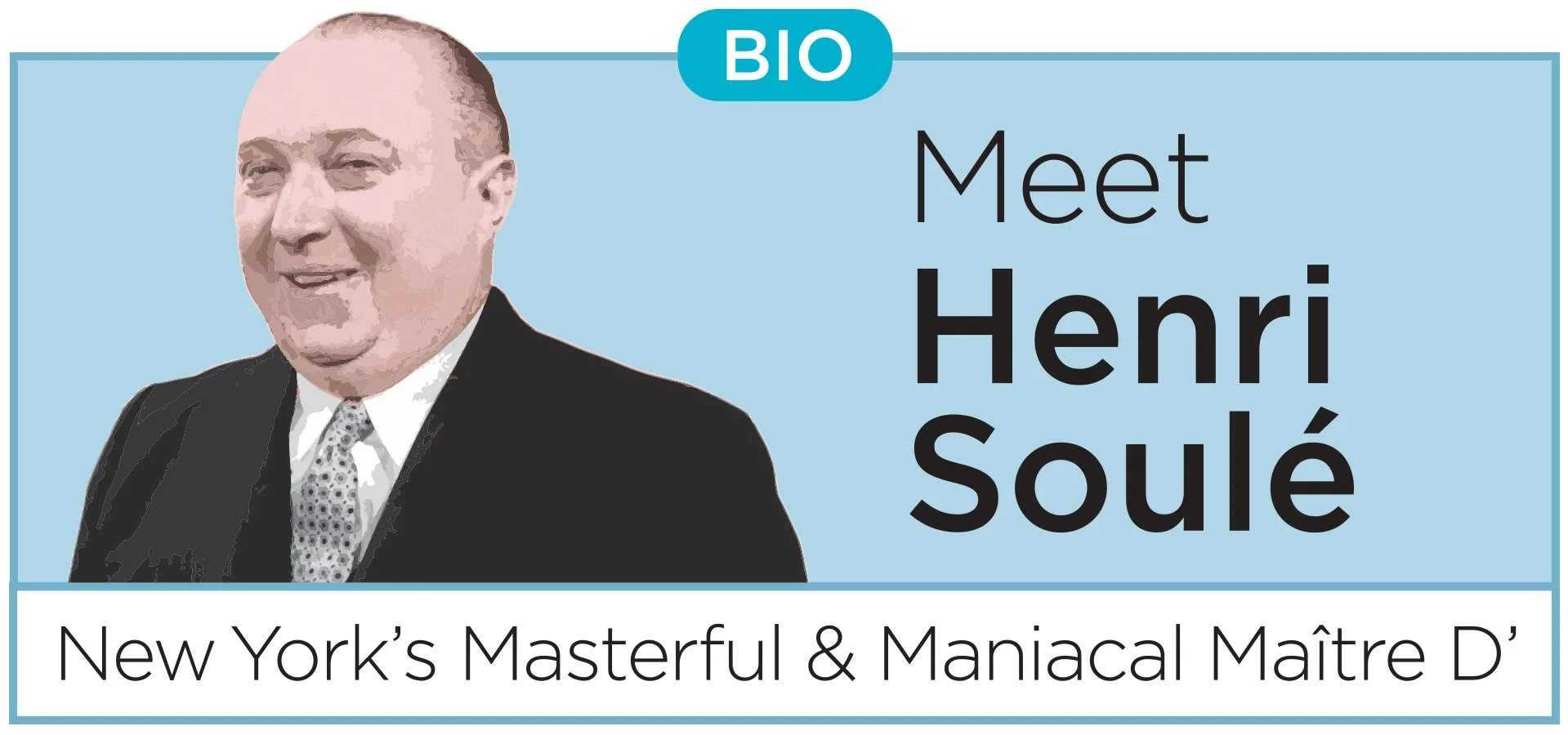
But the most popular eatery by far was Le Restaurant Français in the France Pavilion. Even though New Yorkers had sampled a version of French-inspired meals at a few tiny Greenwich Village eateries, no one had ever enjoyed the truly authentic, over-the-top French cuisine offered at this famous Fair restaurant. Reservations were hard to come by, even though they required traveling to Queens by subway or cab. If you were a foodie, a critic, or would-be connoisseur, you had to visit the Fair, just to dine at Le Restaurant.
Henri Soulé teaching a chef, and waiting outside his Manhattan restaurant (Life Magazine).
One of the star attractions of Le Restaurant Français was being greeted and seated by America’s first and foremost condescending maître-d’, Henri Soulé. A genius at “putting people in their proper place” (which meant the furthest corner of the room, or”Siberia,” if you were a nobody.) Soulé served tableside specialties himself, and was an ardent taskmaster to his staff. After the fair closed, he moved the entire restaurant to East 55th Street in Manhattan and renamed it Le Pavillon. It reigned as the city’s top-rated dining spot for many years, earning New York Times critic Craig Claiborne’s accolade as “the finest French restaurant in Manhattan, perhaps even in France as well.” To discover this intimidating inventor of modern French food and its accompanying snobbery, select below (there’s another link at the end of this chapter.)
The Fair was not the success its creators had hoped for. The financial losses of 1939 forced the reduction of its 1940 admission price to 50 cents. It didn’t help. Even though the Fair inspired the world with its architecture, amusements, artwork and foods, after it closed on October 27, 1940, the directors declared bankruptcy.
The 1940 World’s Fair is demolished (AP).
But Robert Moses got the park he wanted. After the destruction of most of the pavilions, Flushing Meadows Corona Park was spruced up and opened to the public. While not “The Versailles of America” Moses envisioned, it was an improvement over the original massive ash dump. But 25 years later, better things were coming...
The 1964-65 World’s Fair
(Postcard from author’s collection.)
With more fun, greater amusements, Disney attractions and foods galore, the new Fair welcomed over 50 million visitors. Although not officially sanctioned by the Bureau of International Expositions (as all previous fairs had been,) commercial enterprises and corporate pavilions supported the effort.
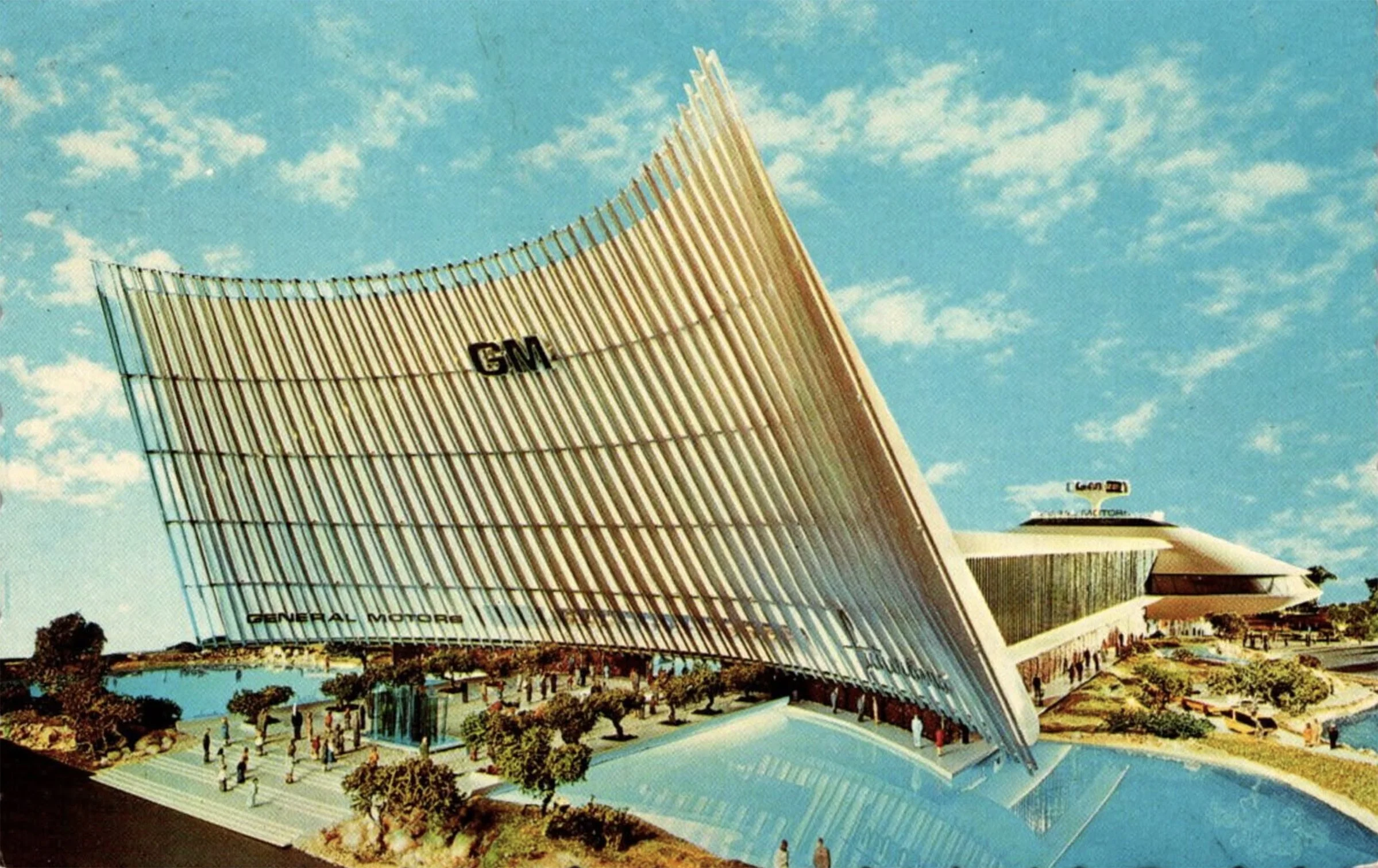
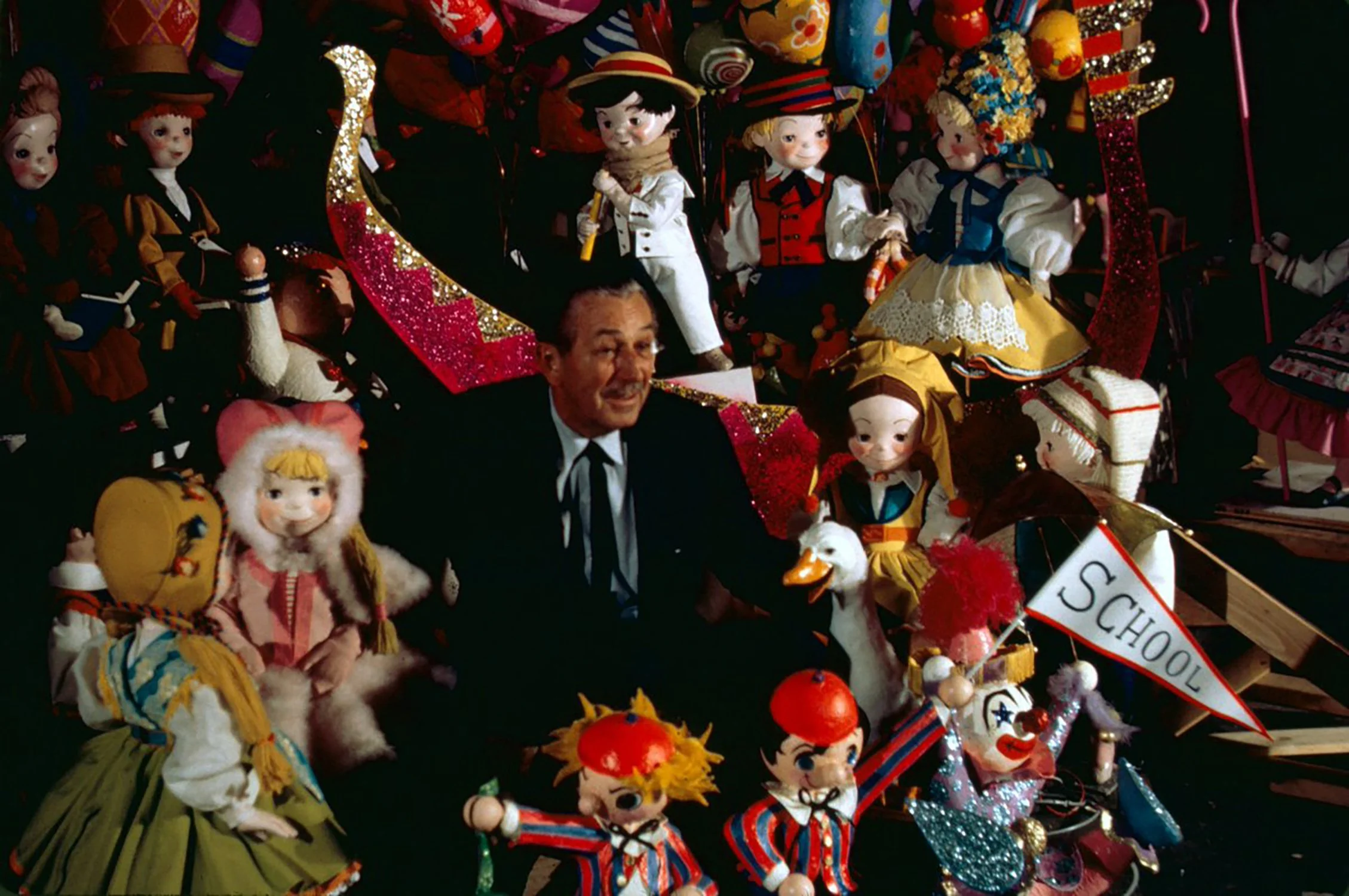
U.S. Steel donated the iconic Unisphere, which still stands today. GM reprised its Futurama with even more fascinating visions of tomorrow. Walt Disney created no less than four must-see entertainments, including “It’s A Small World” for Pepsi, an audio-animatronic Lincoln for the Illinois pavilion, G.E.’s “Carousel of Progress,” and Ford’s “Magic Skyway,” (where visitors rode in the latest Mustangs.) Sinclair trucked in massive replicas of dinosaurs, which many kids recall. The Swiss installed their thrilling Sky Ride.
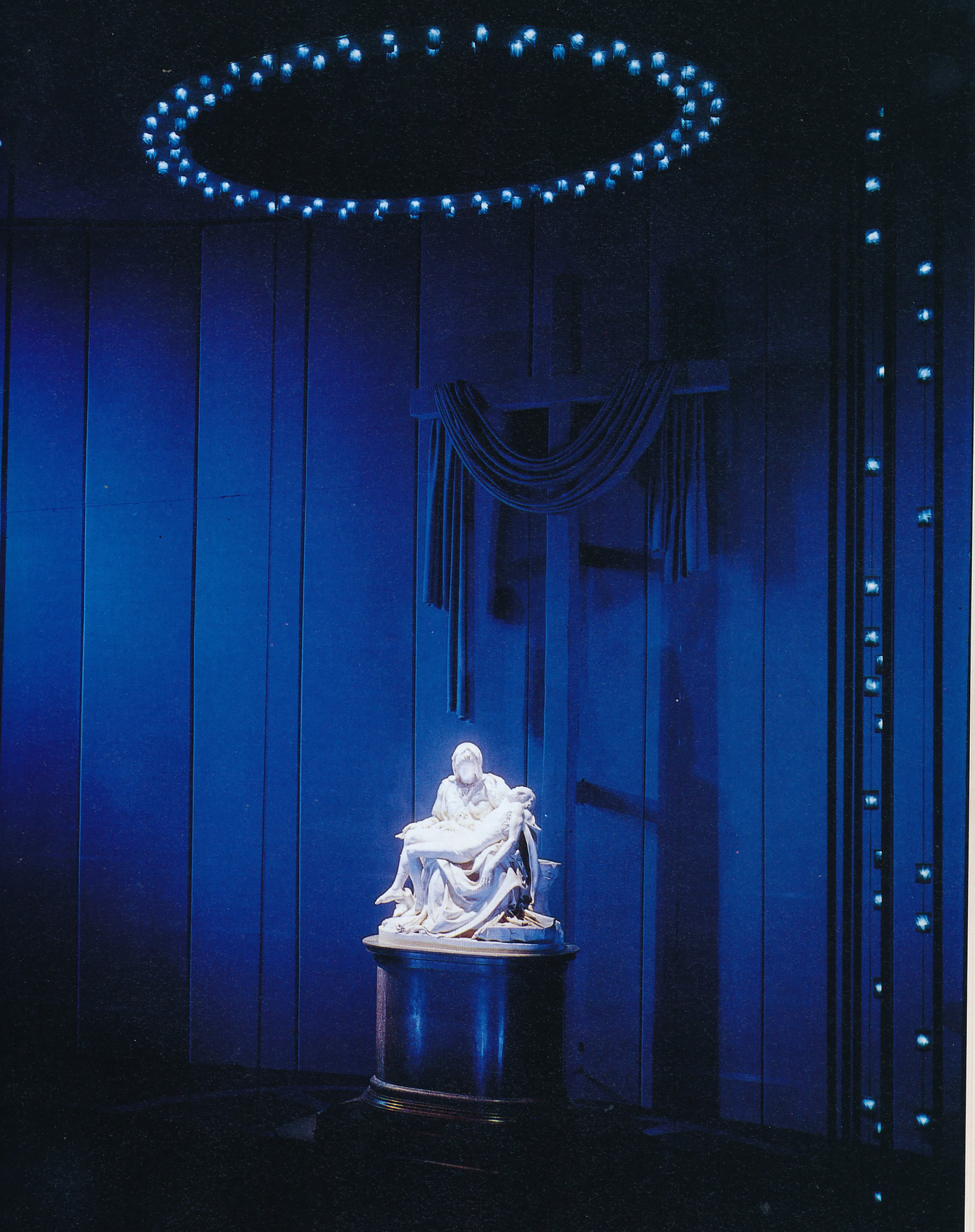
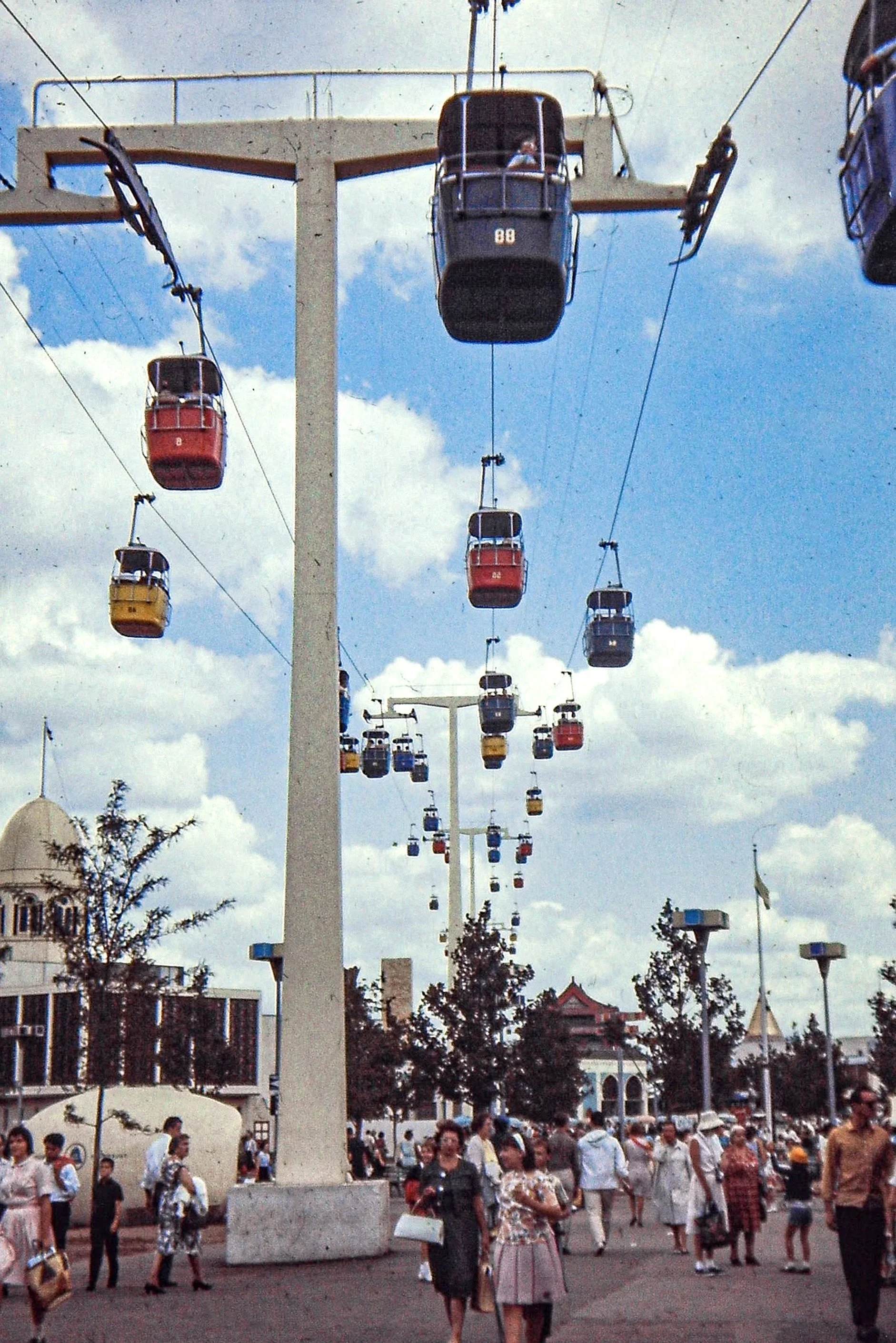
The Vatican’s stirring Pieta wasn’t the only religiously-themed attraction. Pavilions were donated by Billy Graham, Protestants, Mormons, Christian Scientists, and the Russian Orthodox church. It all added up to a middle-class, white bread vision of 60’s America, under the theme of “Peace Through Understanding.”
To this day, most people, when asked what they remember about the fair, immediately blurt out “Bel-Gem Waffles!” There’s no doubt that these tasty delights were the surprise hit of the Fair. The Bel-Gem stand, located in the fair’s “Belgian Village” (with other stands located throughout the fairgrounds) was operated by the Vermersch family from Brussels, who couldn’t believe the success of their waffle invention, selling 2,500 of them a day. “From the moment we opened there was a line,” Mariepaul Vermesch recalls. I was in that line (and maybe you were too!)
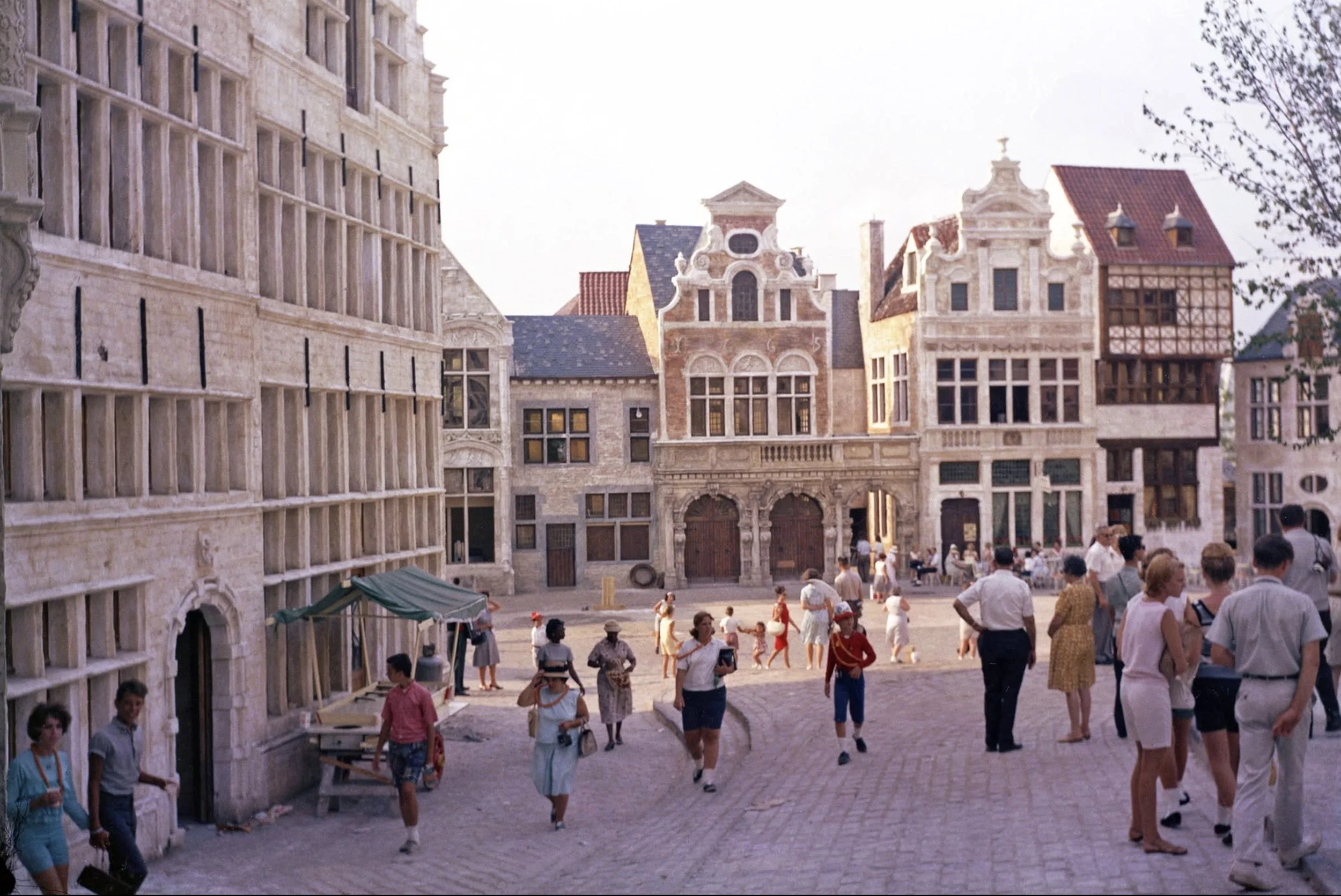
Belgian Village